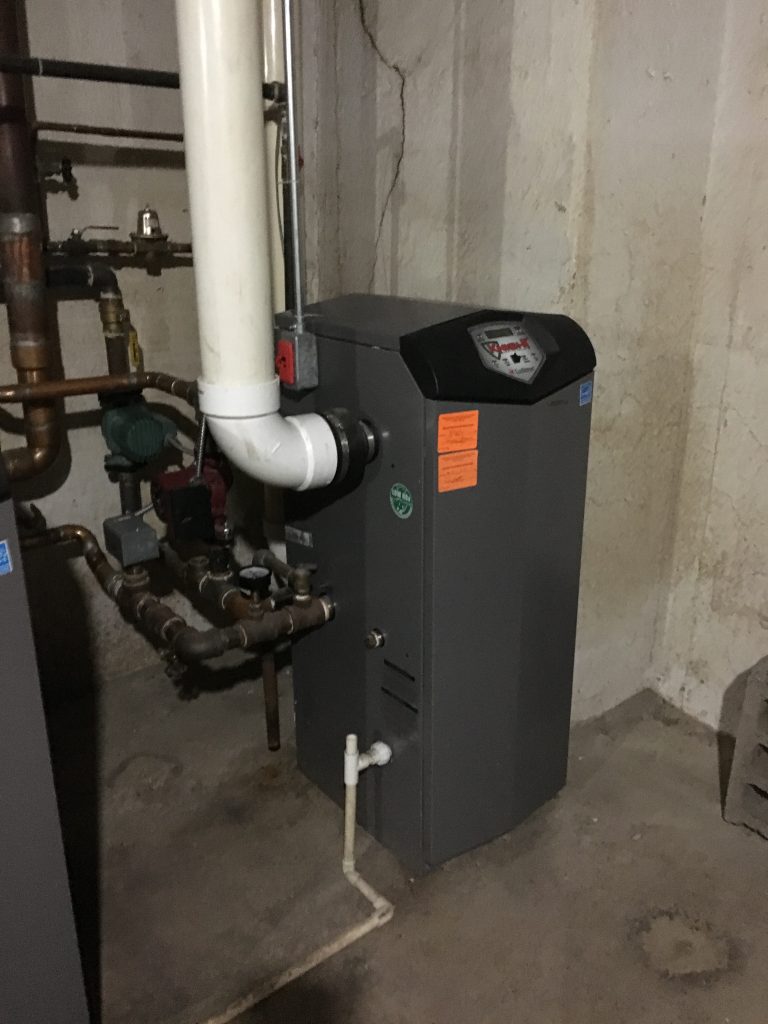
A boiler leaking water is never something to shrug off. Even a small puddle near your unit can point to a bigger problem brewing inside. If you’ve noticed water pooling around your boiler, you’re probably wondering if it’s a quick fix or a sign your system is failing. Here’s what that leak likely means, and what to do about it right now.
What Causes a Boiler Leaking Water Problem?
A leaking boiler almost always comes down to pressure, corrosion, or a worn part. Over time, seals and valves lose their grip. Pipe joints loosen. Internal components corrode from years of heating and cooling cycles.
The most common culprits include:
- A faulty pressure relief valve. This valve releases water when pressure inside the boiler climbs too high. If it’s worn out, it can drip constantly even under normal pressure.
- Corroded pipes or fittings. Rust weakens metal over time, and small holes eventually let water seep through.
- A cracked heat exchanger. This is a more serious issue. The heat exchanger can develop hairline cracks from age or stress, and it usually needs replacement.
- Loose or damaged seals. Seals around joints wear down and stop forming a tight barrier.
- Excess system pressure. If your boiler runs at too high a pressure, it can force water out through the safety valve as a protective measure.
Is a Boiler Leaking Water Dangerous?
Yes, it can be. Water near electrical components creates a shock risk. Constant leaking can also damage your flooring, walls, and nearby wiring. If left unaddressed, a small leak can turn into a bigger, more expensive repair.
There’s also the risk of mold growth if water seeps into walls or under flooring. Even a slow drip adds up over weeks and months.
Should I Turn Off My Boiler If It’s Leaking?
In most cases, yes. Turning off your boiler stops the leak from getting worse and protects your home from water damage. Here’s a simple approach:
- Shut off the boiler’s power supply.
- Turn off the water supply valve if you can locate it safely.
- Place a towel or shallow container under the leak to catch water.
- Avoid touching any electrical parts near the leak.
If you smell gas or see the leak near a gas line, leave the area and call a professional immediately. Gas issues require urgent, hands-off handling.
Can I Fix a Leaking Boiler Myself?
Some homeowners try tightening a loose fitting or replacing a simple valve. But boilers are pressurized systems with both water and, often, gas lines running through them. A small mistake can lead to a bigger leak, a pressure imbalance, or a safety hazard.
Most leaks need a trained technician to diagnose the actual source. What looks like a leak from one spot might actually be dripping down from somewhere higher up in the system. A professional can pressure test the unit, inspect the heat exchanger, and check every valve and seal before recommending a fix.
Repair or Replace? What to Consider
If your boiler is under ten years old and the leak comes from a valve or seal, repair is usually the right call. These parts are relatively inexpensive to replace and don’t affect the boiler’s core structure.
If the leak traces back to a cracked heat exchanger, or your boiler is already older and has needed frequent repairs, replacement often makes more financial sense. A new, efficient boiler can lower your energy bills and reduce the odds of another emergency call.
A technician can walk you through the cost difference and help you decide what fits your home and budget.
Frequently Asked Questions
Why is water dripping from the bottom of my boiler? This usually points to a corroded pipe, a loose fitting, or a failing pressure relief valve. A technician can trace the exact source and confirm whether it’s a simple repair or a bigger issue.
Is it safe to keep using a boiler that’s leaking? It’s best to shut it off and call for service. Running a leaking boiler risks electrical hazards, water damage, and further wear on internal parts.
How much does it cost to fix a leaking boiler? Costs vary based on the cause. A valve or seal replacement is usually affordable, while a cracked heat exchanger or full boiler replacement costs more. A local technician can give you an accurate quote after inspecting the unit.
Get Help Fast From a Local Boiler Expert
A boiler leaking water rarely fixes itself, and waiting can turn a small repair into a costly one. If you’re in Livonia and dealing with a leak, don’t wait for it to get worse. Call AFM Heating & Cooling to schedule a fast, honest inspection and get your boiler back to working safely.
Posted on September 8, 2026 | Published by Ignite Local | Related Local Business